




This kitchen worktop selection guide compares the main surface families used in UK kitchens. Ultimately, the right choice depends on how the kitchen will be used, the preferred appearance, the level of acceptable maintenance and the complete project budget.
In 2020, minimalist surfaces and contemporary countertops shaped many kitchen schemes. However, the latest kitchen worktops have continued to evolve since then, so material performance and suitability matter more than a past trend.
A worktop forms both a busy preparation surface and a major visual feature. Therefore, buyers should compare the actual slab, finish and care instructions rather than choose from a small sample alone.

There are many kitchen worktop suppliers, as well as retailers offering Howdens kitchen worktops and other surfaces. Nevertheless, no material is immune to every scratch, stain, chip or thermal shock. Consequently, careful use remains important.
Kitchen worktop selection guide: what to decide first
Before comparing the kitchen worktops available, buyers should consider the following points:
- Daily use: For example, a busy family kitchen may prioritise easy cleaning, while a show kitchen may place more weight on distinctive veining.
- Maintenance: Some natural stones need periodic sealing. Meanwhile, engineered and sintered surfaces have different care requirements.
- Heat and impact: In every case, trivets and chopping boards help to protect the surface. In addition, edges and sink cut-outs can be vulnerable to hard impacts.
- Layout: Slab dimensions, access, joints, overhangs and appliance positions all affect fabrication.
- Total cost: As well as the material, allow for templating, cut-outs, edge details, supports, delivery, installation and plumbing disconnection where applicable.
Those planning a refurbishment can also review MKW’s guide to replacing kitchen worktops. Alternatively, customers can request a tailored quotation based on plans, measurements and preferred materials.
Guide to choosing natural-stone worktops
Natural stone offers individual patterning because every slab varies. In particular, the principal kitchen countertop materials in this group include marble, granite, quartzite, slate and limestone.

Marble
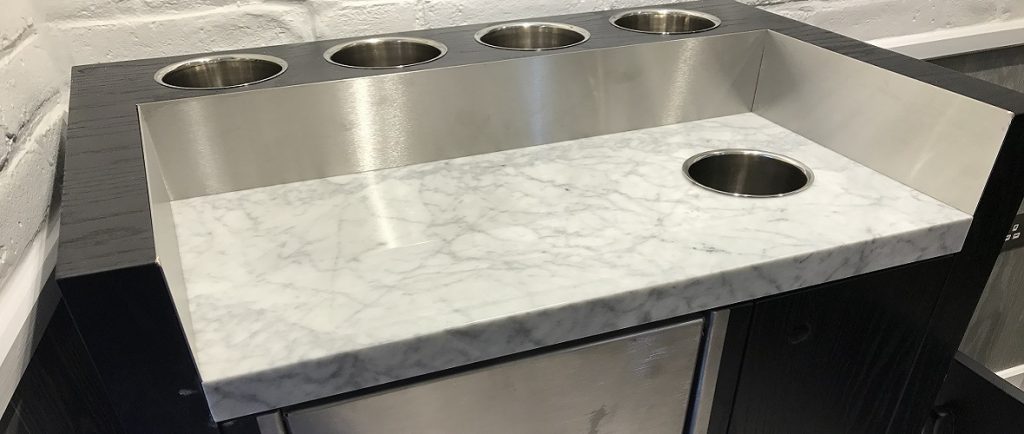
Marble kitchen worktops bring natural veining and a long architectural history. Because marble consists mainly of calcium carbonate, acidic foods can etch its finish. Furthermore, the surface can stain if spills remain in place.
Therefore, owners should use pH-neutral products, wipe spills promptly and follow the stone supplier’s sealing advice. Overall, marble suits households that accept a surface developing character through use.
Granite
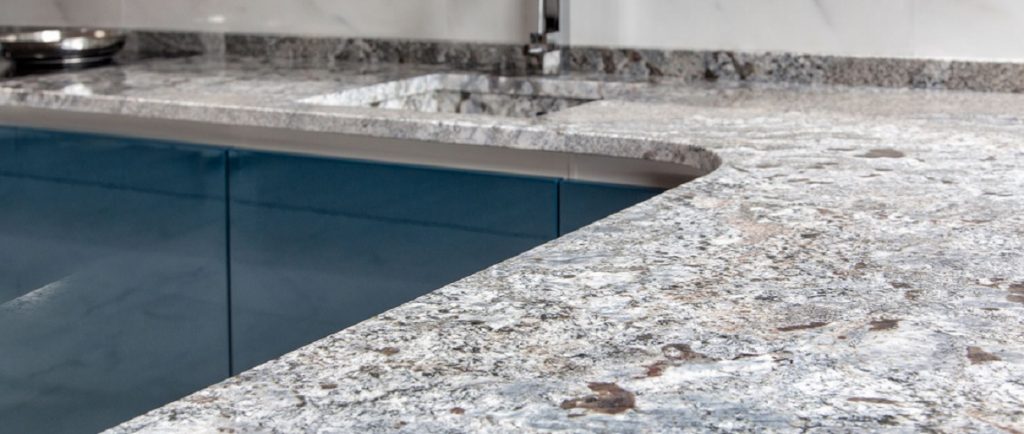
Granite kitchen worktops offer varied minerals, colours and patterns. Generally, they provide strong resistance to everyday wear, although performance differs by stone and finish. Moreover, professional templating and installation help to protect joints, cut-outs and supported spans.
Historically, granite has competed with quartz worktop materials in UK kitchens. For further guidance, buyers can explore MKW’s granite worktop overview.
Quartzite
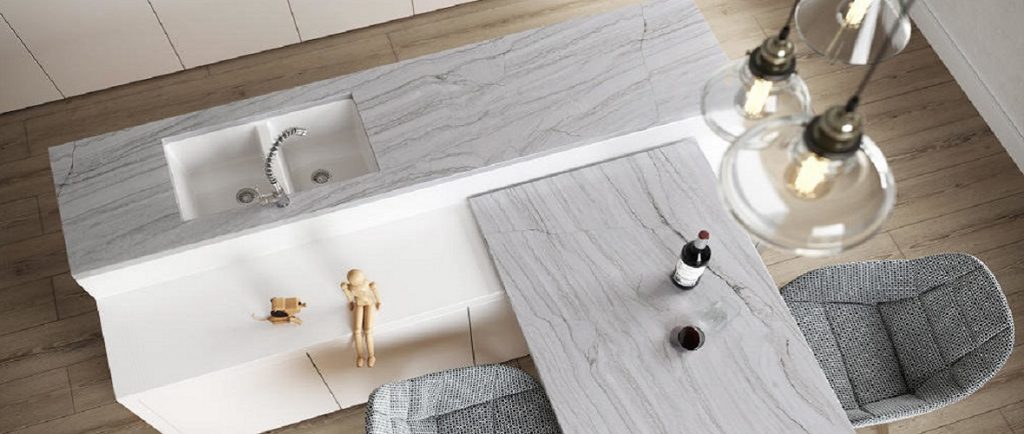
Quartzite kitchen worktops can combine dramatic natural movement with a hard surface. However, quartzite is not engineered quartz, and individual stones can differ in porosity and composition.
Although some slabs provide marble-like patterning, that appearance does not remove every natural-stone consideration or all problems associated with natural marble worktops. Therefore, buyers should confirm the geological classification and care requirements with their supplier.
Slate, limestone and travertine
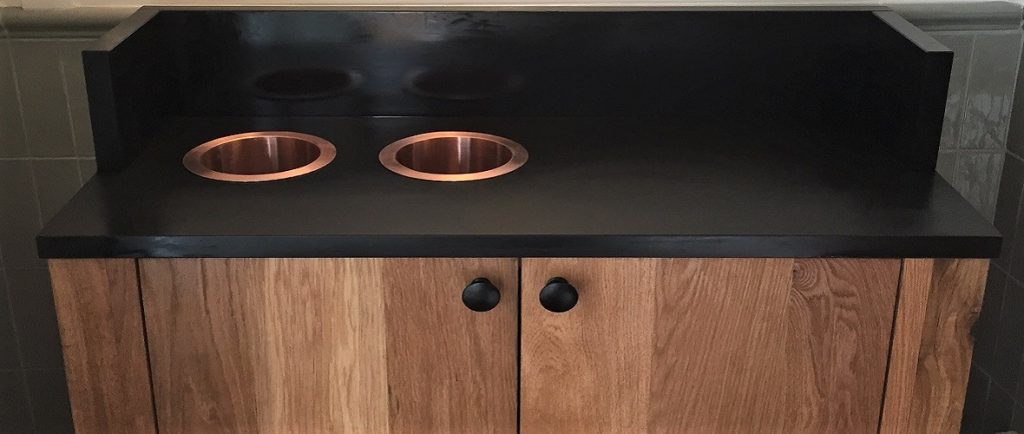
Slate Kitchen Worktops can create a tactile, understated surface. In particular, slate often suits schemes where natural marks and a changing patina form part of the design.
Limestone worktops provide soft tones and natural texture. However, limestone reacts to acids and normally needs careful stain management. Furthermore, sealing frequency depends on the specific stone, finish, use and sealer rather than a universal annual timetable.
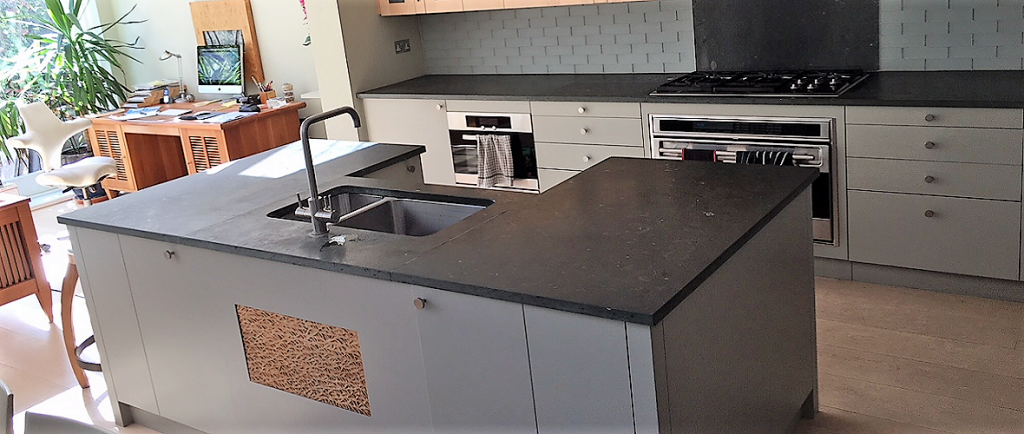
A Travertine worktop is a form of limestone associated with mineral springs. Consequently, its characteristic voids and layered appearance can suit furniture, splashbacks and selected worktop applications. Nevertheless, buyers should discuss filling, sealing and exposure to acidic food with the fabricator.
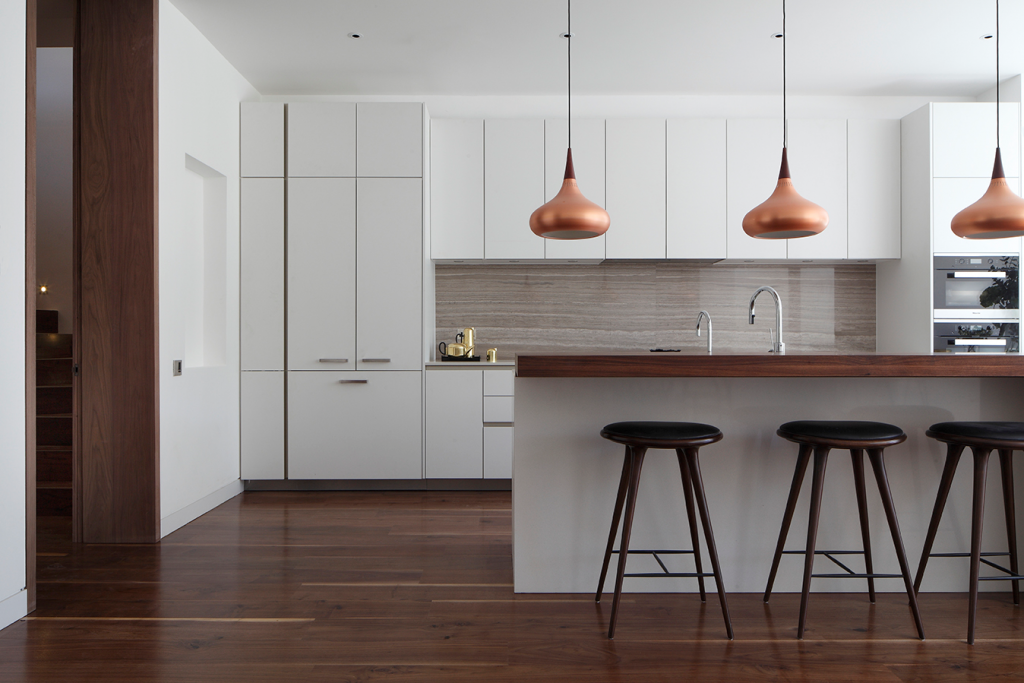
Onyx
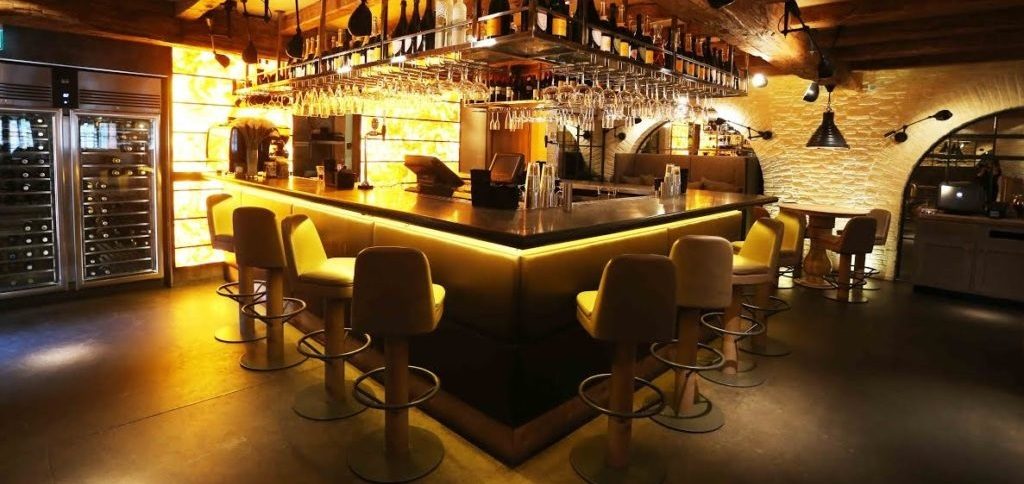
Onyx worktops create a decorative focal point, while some slabs also allow backlighting. However, onyx needs specialist assessment because it can be more delicate than conventional kitchen stones. Therefore, it often works best on feature islands, bars, reception desks or wall panels.
Kitchen worktop selection guide to engineered quartz
Terrazzo and composite marble have a long history, while engineered quartz later expanded the range of consistent decorative surfaces available. More recently, sintered stone and Quartz worktops, also known as Engineered Quartz, have been joined by large-format porcelain and Ceramic worktops.

Engineered quartz combines minerals, binders and pigments. As a result, it offers repeatable colours and patterns, including stone-inspired designs. Historically, brands discussed in the UK have included Caesarstone kitchen worktops, Compac quartz worktops, CRL quartz worktops and Unistone.
Quartz kitchen worktops are non-porous in normal use and straightforward to clean. However, direct heat can damage resin-bound surfaces, so owners should always use a trivet. For that reason, MKW’s guide to hot pans and quartz worktops explains this important precaution.
Silestone and Unistone
Silestone kitchen worktops form part of the engineered-surface category. However, composition, finishes and product features can change by range. Therefore, buyers should check current technical documents rather than rely on historic percentages or treatments.
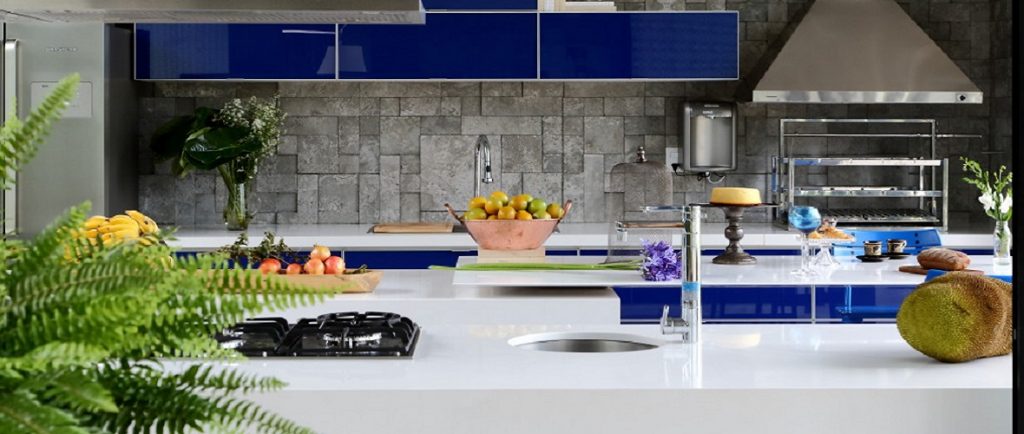
Likewise, Unistone quartz worktops combine mineral content with binders and pigments. Before ordering, comparing physical samples helps to reveal the background tone, pattern scale and finish. In addition, a separate Unistone and Silestone comparison provides more context.
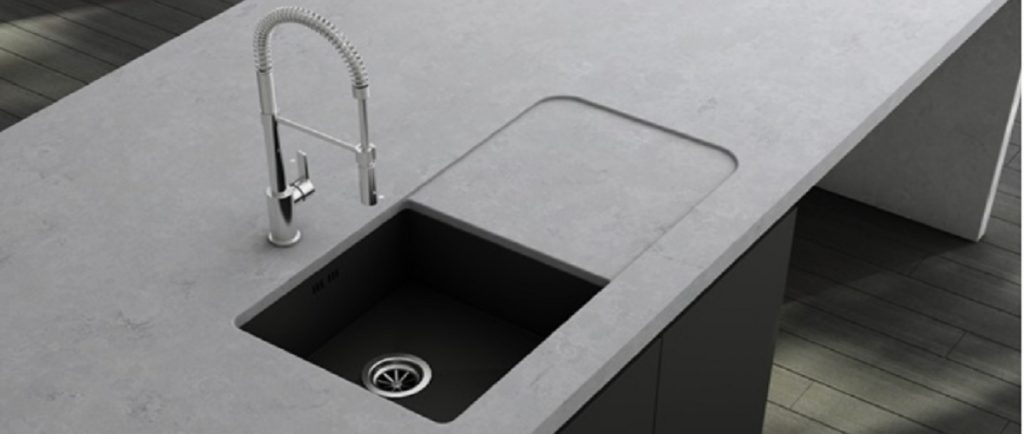
Choosing specialist and sintered surfaces
Soapstone and recycled glass
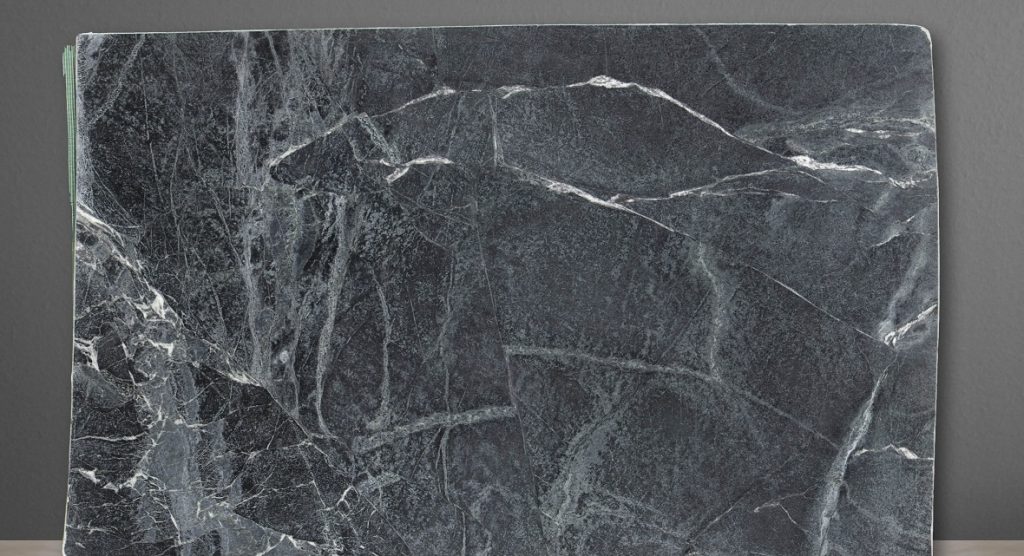
Soapstone commonly appears in grey, green or near-black shades. Moreover, it resists acids and does not require conventional stone sealing. However, its relative softness means it can scratch or dent, while smaller slab sizes may create additional seams.
MAGNA Glaskeramik uses recycled glass and has a crystalline, translucent appearance. Consequently, it can produce distinctive feature surfaces and backlit installations. Nevertheless, buyers should confirm fabrication, support and care requirements for the selected product.

Ceramic, porcelain, Neolith and Dekton
Traditional tiled worktops from retailers such as Wickes worktops include grout joints that need cleaning. In contrast, large-format ceramic and porcelain slabs reduce the number of joints. However, their thin profiles and hard surfaces require skilled handling, suitable support and careful edge fabrication.
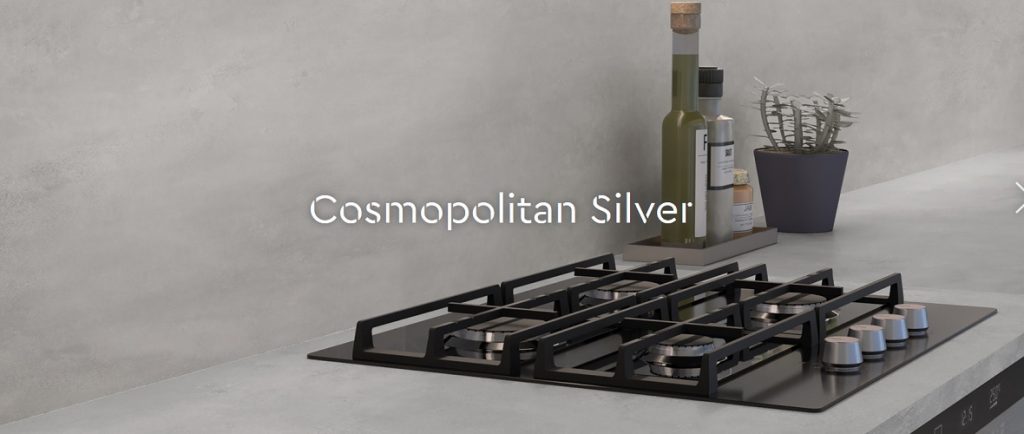
Neolith kitchen worktops belong to the sintered-surface category. Depending on the design, different finishes can reproduce stone, concrete, metal or timber effects. Although Neolith surfaces are easy to maintain, correct fabrication remains vital around edges and cut-outs.
Dekton Worktops are ultra-compact surfaces offered in varied designs and finishes. In particular, their suitability for some outdoor uses distinguishes them from resin-bound quartz, although the chosen colour and application still need current technical confirmation. For a focused comparison, see MKW’s Dekton buying guide.
Terrazzo
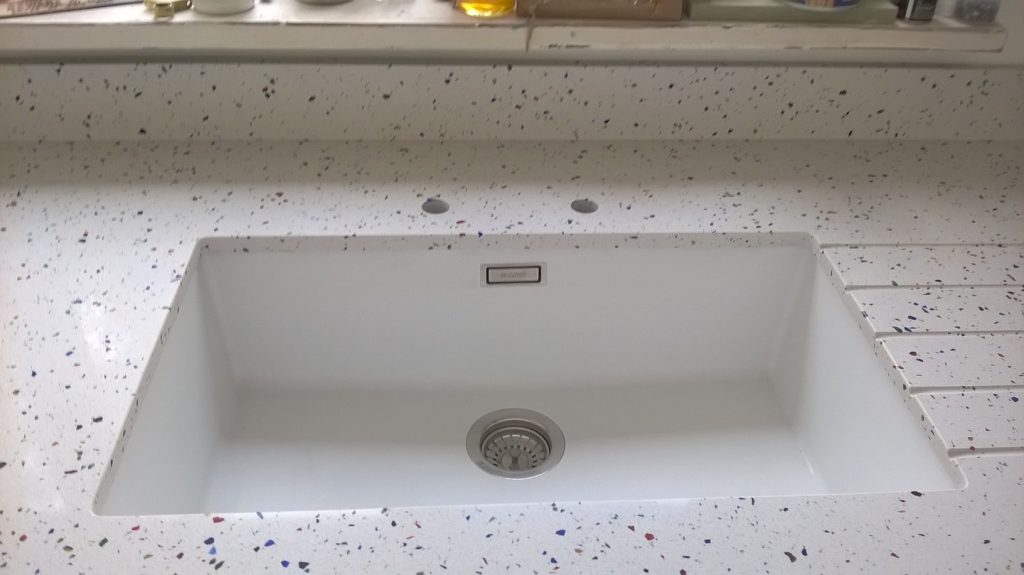
Terrazzo has roots in Renaissance-era Venice rather than being a new invention. Traditionally, makers combine mineral fragments to create its recognisable speckled pattern. However, modern terrazzo worktops vary in binder, fragment size and care needs, so the exact product specification matters.
Planning fabrication and installation
A good kitchen worktop selection guide must look beyond colour. Before templating, customers should confirm joint positions, edge profiles, upstands, sink style, tap holes and hob cut-outs. In addition, they should check cabinet levels and the support required beneath overhangs and heavy appliances.
Large islands may need a seam because slab dimensions and access routes impose limits. Where possible, the final joint should sit away from vulnerable areas. Therefore, MKW’s guide to planning kitchen worktop joints explains the main considerations.
Customers can request a quotation after sharing plans, approximate dimensions and their preferred surface. Furthermore, viewing full slabs or representative samples before approval helps to prevent surprises in colour and pattern placement.
Kitchen worktop care essentials
- First, wipe spills promptly, especially oils, wine, citrus juice and strongly coloured food.
- Next, use chopping boards rather than cutting directly on the worktop.
- Similarly, place hot cookware on trivets, regardless of the material’s general heat resistance.
- In addition, use cleaners approved for the chosen surface and avoid abrasive pads.
- Finally, follow the fabricator’s advice on sealing natural stone.
Ultimately, there is no single best surface for every household. While natural stone provides unique variation, quartz offers consistent styling. Meanwhile, ceramic and sintered products support different design and application needs. Therefore, MKW staff can compare suitable options and prepare a project-specific quotation.
Frequently asked questions
Which kitchen worktop needs the least maintenance?
Engineered quartz, porcelain and sintered surfaces usually need no routine sealing. However, every material still requires prompt cleaning and protection from hard impacts and direct heat.
Should a buyer choose quartz or granite?
Quartz provides consistent patterns and simple everyday care. In contrast, granite offers unique natural variation and strong performance. Ultimately, the best choice depends on appearance, heat habits, maintenance expectations and the individual slab.
Can every natural stone be used in a busy kitchen?
Many natural stones can suit busy kitchens, but suitability varies. For example, marble, limestone and onyx need more care around acids and staining than many granites. Therefore, a fabricator should assess the specific stone and intended application.
When should templating take place?
Templating normally follows secure installation and levelling of the base units. Before measurements are taken, customers should also agree the final positions for sinks, hobs, taps and other cut-outs.


