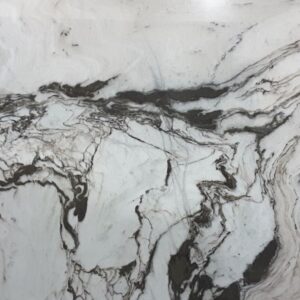
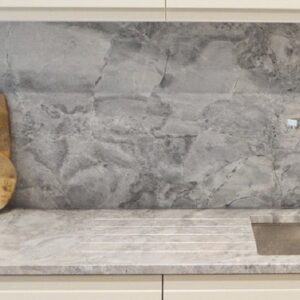
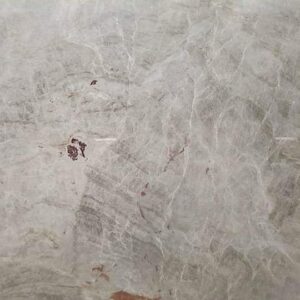
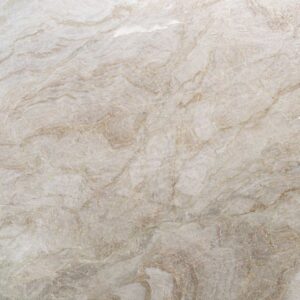
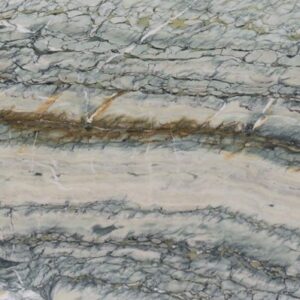
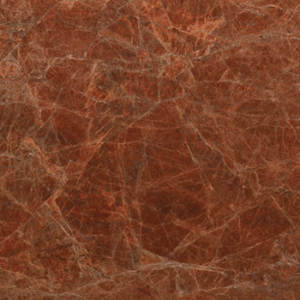
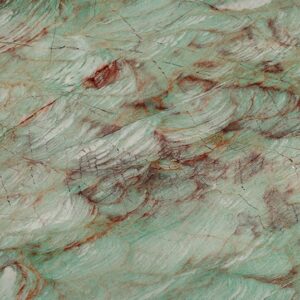
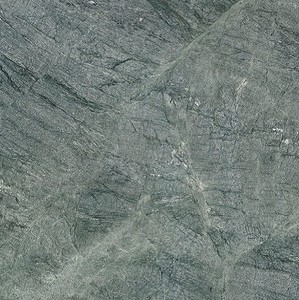
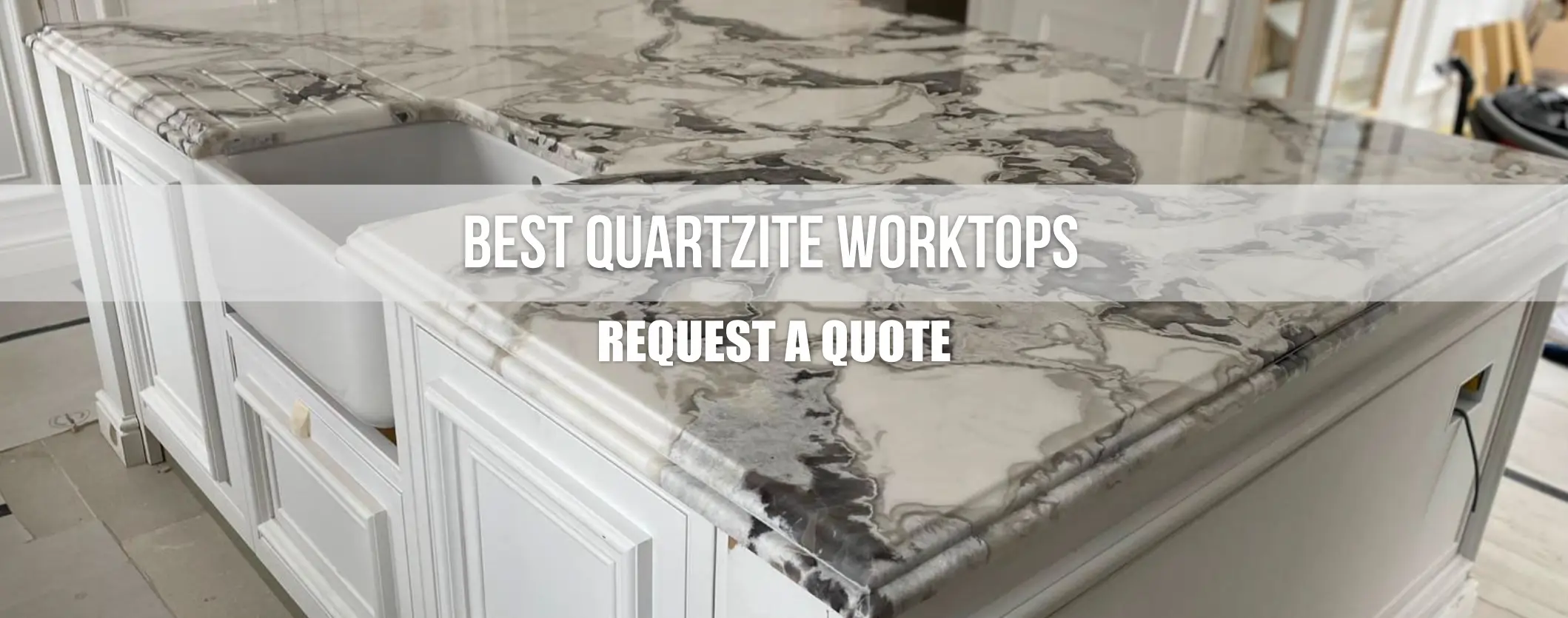
Quartzite is a natural metamorphic rock. It differs from engineered quartz, which is a manufactured surface. Therefore, check the material description for your chosen slab rather than relying on a trade name or a photograph.
Natural patterns and slab selection
Each slab can vary in colour, veining and texture. For example, a small sample may not show a large vein or a change in tone. Ask about viewing the slab and discuss the layout before fabrication. Then confirm how the pattern will run across worktops, islands and edges.
Quartzite versus engineered quartz
The names sound similar, but the materials differ. Natural quartzite comes from quarried stone, while engineered quartz combines mineral ingredients with binders. Compare the specific products, finishes and care instructions for your shortlist. Neither a photograph nor a generic material label explains every slab’s behaviour.
Care, sealing and daily use
Ask your supplier which care routine and sealing advice apply to the stone you choose. Clean spills promptly and use suitable cleaning products. Also use chopping boards and pan stands to help protect the surface. Avoid assuming that every slab needs the same treatment or sealing schedule.
Plan joints, cut-outs and support
Before you approve the layout, discuss sink and hob openings, joints, overhangs and access. Large islands may need a different slab arrangement from a straight worktop run. In addition, ask what support the planned layout requires and who will prepare the cabinets before fitting.
Get a project-specific quote
Send us the kitchen plan, preferred slab, finish and postcode. Then ask for a quote that identifies material, thickness, edges, templating, delivery and installation. For a replacement, also discuss removal of the old surface. Contact our team about your project or visit the Hayes showroom by appointment.