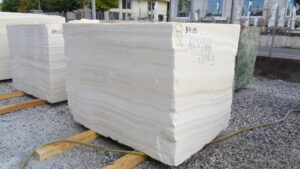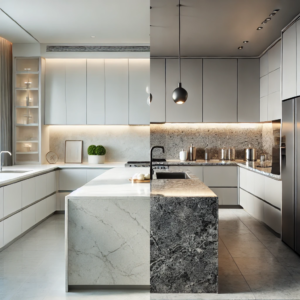



A Caesarstone Dreamy Marfil worktop offers a warm beige surface with subtle veining inspired by Crema Marfil marble. Consequently, it can suit traditional kitchens, calm neutral schemes and interiors that need a softer alternative to bright white quartz. However, Dreamy Marfil 5220 is an older design, so buyers should confirm current availability, slab format, finish and warranty terms before planning a project.
My Kitchen Worktop has supplied and installed Caesarstone surfaces across London and surrounding areas. Therefore, the team can check sourcing, review samples and prepare a project-specific quotation. Because screens and photographs can alter beige tones, MKW recommends assessing a physical sample alongside the cabinets, flooring and lighting.

What does a Caesarstone Dreamy Marfil worktop look like?
Firstly, Dreamy Marfil features a creamy beige background and restrained tonal movement. Its visual reference is Spain’s well-known Crema Marfil marble. Nevertheless, it is an engineered quartz surface rather than quarried marble, so its pattern tends to appear more controlled and consistent.
Importantly, that distinction matters in a working kitchen. For example, marble develops a natural patina and may react to acidic substances. By comparison, quartz generally offers lower routine maintenance and does not need the periodic sealing associated with many natural stones. Even so, no worktop is maintenance-free or damage-proof.

Dreamy Marfil used as a worktop surface.
Colours and cabinetry that complement the surface
In particular, the warm base can coordinate with off-white, cream, taupe and natural timber cabinetry. Alternatively, dark brown, charcoal or muted green units can create contrast. Meanwhile, brass-toned details may reinforce a warm scheme, whereas chrome or stainless steel can give it a cleaner contemporary edge.
Lighting also has a strong effect on beige quartz. For instance, cool LEDs may make the surface appear paler, while warm lighting can emphasise its cream tones. Therefore, designers should compare samples under the room’s daytime and evening light before making a final decision.

Kitchen island shown in Caesarstone Dreamy Marfil 30 mm. Image credited in the original article to Boutique Homes.
Where can Dreamy Marfil quartz be used?
A Dreamy Marfil quartz worktop can form part of a coordinated kitchen scheme. For example, fabricators may use the material for perimeter worktops, islands, upstands and suitable splashback sections. Likewise, the design can work for utility-room surfaces, vanity tops, table tops and bespoke furniture.
However, fabrication details and installation conditions affect what is practical. In particular, large splashbacks, wall panels, cut-outs and unsupported overhangs need professional assessment. In addition, quartz is not generally the first choice for exterior applications because prolonged UV exposure and weather can affect resin-based surfaces.

Worktops, splashbacks and bathroom applications
Notably, using one material across a worktop and splashback can reduce visual clutter. Moreover, it avoids the grout lines found with small-format tiles. On the other hand, the slab layout, socket cut-outs and wall condition require careful planning, particularly where patterned areas need to align.
In bathrooms, quartz can provide a practical vanity top or wall surface when installers detail joints and plumbing correctly. However, buyers should ask the fabricator to confirm suitability for floors, wet areas and any application exposed to persistent heat or standing water.

Archived example of Caesarstone Dreamy Marfil 5220 in a bathroom setting.
Caesarstone Dreamy Marfil worktop performance
According to archived product information, this Caesarstone surface contained around 93% quartz, alongside resins, polymers, pigments and other ingredients. However, formulations and technical descriptions can change, so customers should rely on current manufacturer documentation for any purchasing or specification decision.
Generally, engineered quartz provides a hard, non-porous working surface with good everyday stain resistance. Consequently, it can be easier to maintain than many untreated natural stones. Yet the surface may still chip around exposed edges or cut-outs, especially after a heavy impact.
Heat also needs careful management. Therefore, a trivet should sit beneath hot cookware. Similarly, users should chop on a board rather than directly on the quartz. Together, these simple measures protect both the surface and knife blades.

Caesarstone Dreamy Marfil island with a built-up shark-nose edge, shown during installation by the My Kitchen Worktop team.
Advantages and limitations at a glance
- Warm, versatile appearance: the cream-beige palette suits many neutral and timber-led interiors.
- Lower routine maintenance: quartz does not normally require periodic sealing.
- Coordinated applications: subject to fabrication checks, it may work across worktops, islands and splashbacks.
- Heat precautions: hot pans and appliances that generate concentrated heat need protective mats or trivets.
- Impact risk: exposed corners and sink or hob cut-outs can chip if struck.
- Archive status: availability and current technical data need confirmation before the design enters a fixed scheme.
For further guidance, readers still deciding between surface types can use MKW’s guide to comparing granite, quartz and marble worktops. Additionally, the separate quartz and porcelain comparison explains important differences in composition and use.

Dreamy Marfil shown as a matching worktop and splashback combination.
Planning and installing a beige veined quartz worktop
Firstly, professional templating should take place after the fitters secure, level and position the base units. At that stage, the team can confirm cut-outs, joints, overhangs, access and support. Furthermore, customers should finalise the sink type, tap positions and hob information before fabrication.
Edge choice can also change the overall character. For example, a simple polished edge keeps the result understated, while a mitred or built-up profile creates a deeper visual effect. However, not every profile suits every thickness or layout. Therefore, MKW’s overview of worktop edge options provides a useful starting point.
Pattern placement deserves attention too. Although the movement is subtle, seams can remain visible, particularly across long runs or around large islands. Therefore, the quotation and fabrication plan should identify likely joint positions rather than treating them as an afterthought.
Before ordering, customers considering a Caesarstone Dreamy Marfil worktop can ask MKW to check the design against their measurements and intended use. Additionally, the templating and installation process explains the main stages before requesting a tailored quote.
How to care for Dreamy Marfil quartz
For routine cleaning, first remove crumbs and grit. Then, use a soft cloth with warm water and a mild cleaner suitable for quartz. Afterwards, rinse away cleaner residue and dry the surface to reduce streaks. In addition, users should wipe spills promptly, particularly strongly coloured or oily substances.
Meanwhile, avoid abrasive pads, highly alkaline products and harsh chemicals unless current manufacturer guidance specifically approves them. In addition, never use the worktop as a cutting board. If a stubborn mark remains, customers should consult the applicable care guidance before trying a concentrated product.
Admittedly, the pale neutral colour can make dark crumbs and some spills easy to notice. However, this is mainly a housekeeping consideration rather than a performance defect. Overall, regular gentle cleaning is usually more effective than occasional aggressive treatment.

Table top shown in Dreamy Marfil quartz by Caesarstone.
Archived Dreamy Marfil 5220 specifications
The table below preserves technical information from the original article for historical reference. However, customers should not treat it as a current product sheet. In particular, available slab sizes, thicknesses, finishes, product classification and weight may vary by market or production period.
| Collection listed | Classico | Motivo | Concetto | |
|---|---|---|---|---|
| Ranges listed | Standard | Deluxe | Premium | Supernatural |
| Thicknesses listed | 13 mm | 20 mm | 25 mm | 30 mm |
| Finishes listed | Polished | Honed | Textured | |
| Dimensions listed | 3,060 mm by 1,440 mm | |||
| Weights listed | 13 mm: 143 kg (32 kg/m2); 20 mm: 220 kg (50 kg/m2); 30 mm: 330 kg (75 kg/m2) | |||
The original article also referred to a ten-year registered product warranty and manufacturer authenticity stamps. Nevertheless, warranty coverage, registration rules and supply status can change. Therefore, customers should verify the terms that apply to their chosen slab and installation date.
Frequently asked questions
Is Dreamy Marfil real marble?
No. Instead, it is an engineered quartz design with a warm appearance inspired by Crema Marfil marble. As a result, it offers a more controlled pattern and different care requirements from natural marble.
Does a Caesarstone Dreamy Marfil worktop need sealing?
Generally, engineered quartz does not need periodic sealing. Nevertheless, owners should follow the current care instructions supplied with the installed product.
Can hot pans go directly on the surface?
No. Because concentrated heat can damage resin-based quartz, a trivet or heatproof mat should always protect the worktop.
Is Dreamy Marfil 5220 still available?
This article documents an older Caesarstone design and cannot confirm current stock or production status. However, MKW can check sourcing and suggest visually related worktop colours if required.
Request a Dreamy Marfil quartz quote
For help checking availability or planning a comparable warm beige quartz surface, call 0203 0788921 or email hello@mykitchenworktop.co.uk. When enquiring, customers can supply a plan, approximate dimensions, postcode and preferred edge to help the team prepare relevant guidance.
Finally, use the original source link here for archived manufacturer information. My Kitchen Worktop thanks Caesarstone and the other credited source for the supplied project imagery.