

Silestone Lyra worktops combine a pale background with soft grey veining, creating a restrained marble-inspired appearance. Consequently, the design can suit kitchens, islands, utility rooms and vanity tops where a light stone effect complements the wider interior.
Lyra belongs to an earlier generation of Silestone colours. Therefore, anyone considering it today should confirm current slab, finish and sink availability before planning a project. If the original colour cannot be sourced, MKW can help compare current samples with suitable alternatives.
Silestone is a Spanish surface brand from Cosentino. Historically, Lyra became one of My Kitchen Worktop’s frequently requested pale quartz designs.

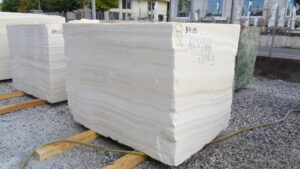
Close view of the pale surface and subtle grey veining.
What do Silestone Lyra worktops look like?
Lyra has a white to light-grey ground with scattered, irregular grey markings. Unlike bold Calacatta-style quartz, its quieter pattern can add movement without dominating cabinetry, flooring or splashbacks. However, photographs and small samples may not reveal how the pattern flows across a full slab.
In a white kitchen, Lyra can create a layered, tonal scheme rather than a sharp contrast. Meanwhile, timber cabinetry can introduce warmth, while dark or coloured units can make the pale surface more prominent. In addition, the understated pattern can complement classic framed doors, modern handleless cabinetry and industrial interiors.
Historical technical information for Lyra quartz
Earlier information for this product included the specifications below. Although these details provide useful historical context, customers should not treat them as confirmation of current UK stock or fabrication options.
- Stone name
- Silestone Lyra by Cosentino.
- Material classification
- Engineered or technical quartz.
- Primary colour and texture
- A pale surface with subtle veining.
- Historic slab formats
- Earlier literature listed 3,040 × 1,380 mm slabs and a 3,250 × 1,570 mm Jumbo format.
- Historic composition
- The original article described 85–95% quartz and minerals, with 5–15% pigments and additives.
- Historic performance figures
- The source gave bending strength as 29–70 MPa, compression strength as 112–248 MPa and absorption as 0.04–0.20%.
Lyra formed part of the Nebula collection, which launched in 2013. Moreover, the earlier product information described Cosentino as a Spanish family-owned multinational with more than 25 years of sector experience at that time. Therefore, these details record the original context of the article rather than current corporate or product claims.

Pale veined surfacing used as bathroom wall cladding.
Where can Silestone Lyra surfaces be used?
The original guidance presented Lyra as an interior surface for worktops, wall cladding, vanity tops and selected tile applications. In practice, the available product format, substrate, joints, support and current manufacturer guidance determine the appropriate use. Consequently, customers should review the complete installation rather than choose the material by colour alone.
Kitchen worktops and islands
Lyra’s light pattern can make a large island feel visually softer. In addition, it can create a calm backdrop for sinks, taps and hobs. Nevertheless, slab dimensions and property access affect the position of joints, especially on long runs and oversized islands. For more detail, MKW’s guide to planning kitchen worktop joints explains the main considerations.

Light quartz across a large white kitchen island.
Bathrooms and vanity tops
A pale veined quartz can coordinate a vanity top with wall panels or other interior surfaces. However, fabricators and installers must plan cut-outs, edges and supports carefully. In addition, householders should wipe away cosmetics and coloured toiletries promptly rather than allowing residues to dry.
Historic Lyra tile formats
The original product information listed 300 × 300, 400 × 400, 600 × 300, 600 × 400 and 600 × 600 mm tiles. However, these sizes provide historical references only. Therefore, buyers should request written confirmation of current availability, lead times and intended applications before adding tiles to a specification.
Finishes for Lyra quartz worktops
Earlier Lyra information referred to Suede and Volcano finishes. Specifically, the source described Suede as a softly textured matt finish and Volcano as a more pronounced texture. As finish options can change over time, buyers should always inspect an up-to-date physical sample.

Suede finish
A matt texture can reduce reflections and give the surface a softer visual character. As a result, it often works well with industrial materials, timber and low-sheen cabinetry. However, the texture may make grease marks or dried residue more noticeable than a smooth polished surface.

Close view illustrating a textured Silestone finish.
Volcano finish
The historic Volcano option offered a stronger tactile effect. Because deeper texture can hold debris more readily, it may need more careful wiping during routine cleaning. Therefore, buyers should inspect a sample in realistic lighting and consider how much daily contact the chosen area will receive.

Silestone worktops with a recessed sink and drainer grooves.
Cleaning Silestone Lyra worktops
For everyday care, first remove crumbs and loose debris. Next, wipe the surface with a soft cloth, warm water and a suitable mild cleaner. Afterwards, rinse away any cleaner residue and dry the worktop to reduce streaks. Meanwhile, textured finishes may need extra attention along their grain or relief.
- Firstly, wipe spills promptly, particularly strongly coloured or oily substances.
- Secondly, use chopping boards rather than cutting directly on the worktop.
- In addition, use trivets for hot cookware and protective mats beneath heat-producing appliances.
- Likewise, avoid abrasive pads and unapproved chemicals.
- Finally, follow the current manufacturer care guidance for the installed surface.
Engineered quartz does not usually need the periodic sealing that many natural stones require. Even so, it is not indestructible. For example, a hard impact can chip edges and areas around cut-outs, while excessive heat can damage resin-containing surfaces.
Designing with Silestone Lyra surfaces
Lyra looks subtler than many heavily veined surfaces. Therefore, it can support other focal points, such as a feature splashback, pendant lighting or richly coloured cabinetry. Furthermore, its restrained pattern can reduce competition between several decorative elements.

Pale veined worktops paired with white kitchen cabinetry.
For a coordinated installation, an upstand can create a neat transition between the worktop and wall. Accordingly, the guide to kitchen worktop upstands covers their practical and decorative roles. Alternatively, full-height cladding can produce a more continuous finish when suitable materials and installation conditions allow it.
Historic literature also mentioned matching Integrity sink options. However, ranges and compatibility can change, so customers should not assume that a Lyra sink remains available. Instead, MKW recommends confirming the sink model, colour match, cut-out method and installation details before approving a quotation.
Advantages and limitations of Silestone Lyra worktops
Potential advantages
- Firstly, Lyra offers a light, marble-inspired appearance with restrained veining.
- Moreover, its versatile design can complement modern, classic and industrial interiors.
- In addition, routine care does not normally involve the periodic sealing that many natural stones require.
- Finally, coordinated worktops, islands, vanities and cladding may remain possible where suitable formats exist.
Points to consider
- Firstly, Lyra is an older colour, so customers must confirm current availability.
- Secondly, textured finishes can require more detailed cleaning.
- Furthermore, quartz requires protection from intense heat and hard impacts.
- Likewise, large projects may require joints because of slab size, layout or property access.
- Finally, digital images may not represent colour and pattern accurately, so a current sample should guide the final choice.
If Lyra is unavailable, a pale marble-effect quartz may offer a similar visual direction. Therefore, the MKW overview of marble-inspired quartz worktops provides useful design ideas. In addition, customers can request a quotation based on dimensions, drawings and preferred edge, sink and hob details.

Pale veined surfacing as a finishing element in a classic kitchen.
Silestone Lyra worktops: questions to ask before ordering
First, confirm whether Lyra is currently available in the required slab size and finish. Next, check whether the layout fits within the usable slab area and decide where any joints should sit. Finally, review edge profiles, cut-outs, drainer details, upstands and installation access.
MKW staff can assess project information and explain suitable next steps. Therefore, to discuss samples, fabrication or installation, contact us by phone or email and request a project-specific quotation.
Frequently asked questions
Is Silestone Lyra still available in the UK?
Lyra comes from an earlier Silestone collection, so customers should not assume availability. Therefore, a supplier should confirm current slabs, finishes and lead times before the design proceeds.
Does Silestone Lyra need sealing?
Engineered quartz does not generally require routine sealing in the way many natural stones do. However, owners should follow the current care instructions for their installed product.
Is Lyra suitable for a kitchen island?
Lyra can suit islands both visually and functionally. However, the fabrication plan must account for slab dimensions, support, cut-outs, joints and property access.
Are textured Lyra finishes harder to clean?
Textured surfaces may retain grease or residue more readily than polished surfaces. Consequently, prompt wiping and careful cleaning can make daily maintenance easier.